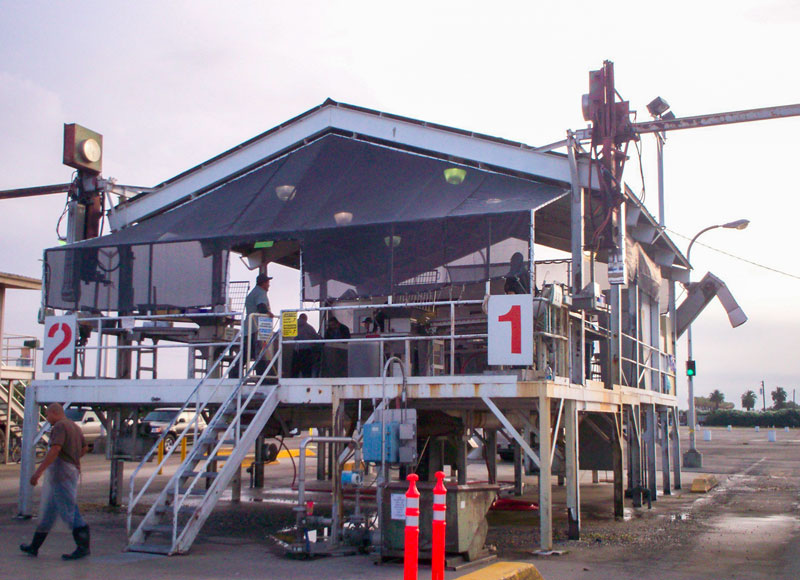
Professional, Consitent,
and Impartial Inspection
of Wine Grapes
Serving the wine industry of California.
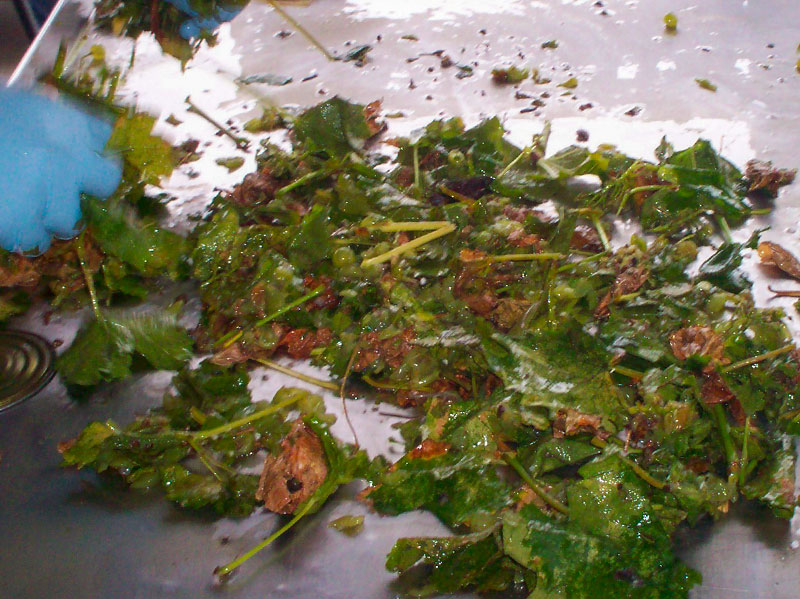
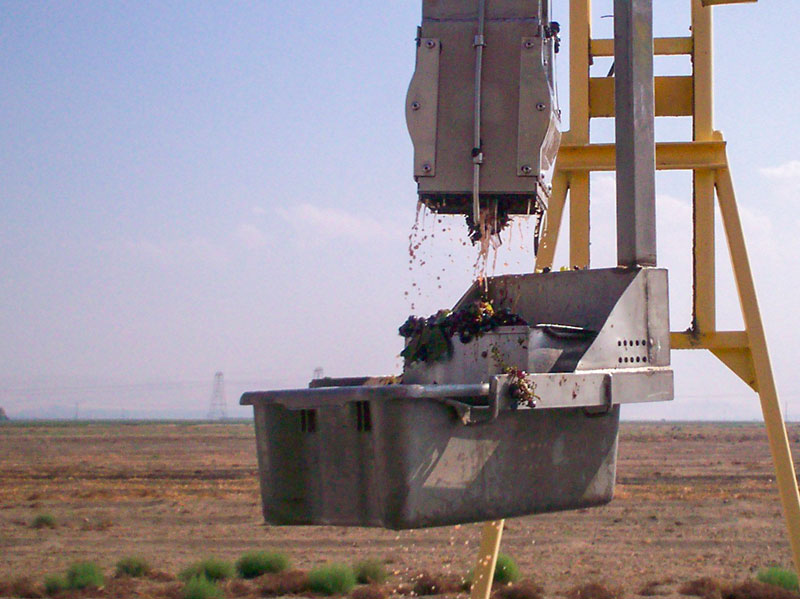
- Provide a professional, consistent, and impartial inspection service to the wine industry of California in order to determine and certify soluble solids, Material Other than Grapes (MOG), and defects in the loads of grapes.
- Hire, train, and supervise employees to adequately carry out the request for inspection.
- Emphasizes that uniformity in the application and procedures for grading and testing are identical at all inspection stations.
- Professionally and impartially inspect wine grapes as instructed and governed in the regulations.
Our Mission
Our Winegrape Inspection Program
The Winegrape Inspection Program operates under the authority of the California Winegrape Inspection Advisory Board, which is composed of ten vintner members and ten grower members, each of which has an alternate member, and all of which are appointed by the California Department of Food and Agriculture.
The advisory board meets two or three times a year to establish an annual budget, set an assessment rate (paid half and half by the wineries and the growers), and decide upon any research programs that might improve the program’s ability to do the assigned work involved: i.e., the inspection of winegrapes as they enter the signatory wineries.
Because the advisory board is an arm of the Secretary of Food and Agriculture, its actions must be approved by the department, which assigns a representative from its marketing branch to oversee the actions of the board.
Advisory Board Operation
The Winegrape Inspection Marketing Agreement is the official title of the program that is operated by the advisory board under the supervision of the marketing branch of the Department of Food and Agriculture.
It is called a marketing agreement, rather than a marketing order, because only those wineries that have agreed to abide by the agreement are subject to the assessments imposed by the board. Further, only those growers who sell their grapes to the signatory wineries are eligible to serve on the advisory board.
California Wine Grape Law
California law pertaining to wine grapes, wine, and by-products can be found in the California Food and Agricultural Code, Chaper 3, and in the California Code of Regulations, Article 1, Subchapter 1, Chapter 3.
Official Wine Grape Inspection Certificates will include the statement: I certify the above lot or load of grapes have inspected and tested as specified in Division 16, Chapter 1, Section 40531 and Chapter 3, Sections 41162 and 41191 and 41192 of the Food and Agriculture Code.
Certificates can also be issued in the form of a combination weight tag, or results may also be printed on a computer-generated form.